Top Essential Car Spare Parts You Need for a Smooth Ride
Keeping a vehicle running safely and efficiently depends greatly on key spare parts. A trustworthy battery, high-performing brake pads, and premium tires are among the components that fulfill essential purposes. Ignoring any of these components may cause unanticipated complications. Knowing how to select the appropriate parts and recognizing when to swap them out can significantly improve the driving experience. The impact of these decisions goes far beyond simple convenience, prompting consideration of what is genuinely important for a comfortable journey.
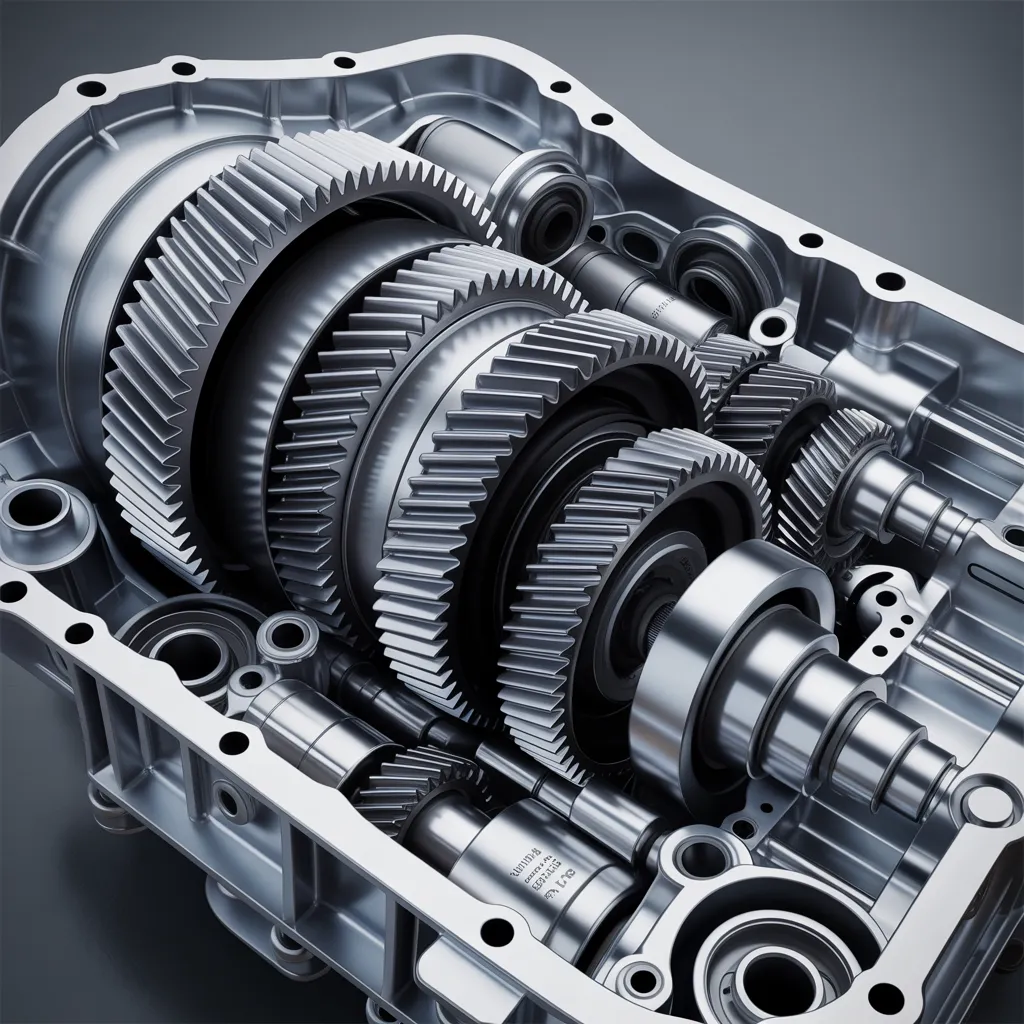
Indispensable Replacement Parts for Your Car
Each vehicle owner needs to understand essential spare parts that support the smooth operation and safety of their automobile. Important parts consist of the vehicle battery, which supplies the required energy for starting the engine and operating electrical systems. The charging unit serves a vital function in keeping the battery charged during engine operation. Furthermore, brake pads are crucial for providing efficient braking performance, while air filters protect engine health by eliminating harmful contaminants.
Tires are another key spare part; they affect handling, traction, and overall safety. Regularly checking tire tread and pressure is important. Wiper blades contribute to visibility during rain, while headlights provide reliable illumination for nighttime travel. Finally, belts and hoses, such as the timing belt and radiator hoses, are crucial for engine function and cooling. Having these spare parts on hand not only improves vehicle dependability but also fosters a safer driving experience.
How to Select the Best Battery for Your Vehicle
Selecting the appropriate battery for a car is a critical aspect of ensuring vehicle performance. When picking a battery, one must evaluate several factors. First, the battery's size and type should align with the vehicle's specs, which can generally be found in the owner's manual. Next, the Cold Cranking Amps (CCA) rating is important, as it indicates the battery's ability to ignite the engine in cold weather. Moreover, the Reserve Capacity RC rating indicates how long the battery can run on its own if the alternator stops working.
Battery lifespan is another significant consideration; the majority of batteries have a lifespan of three to five years. It is recommended to select well-known brands recognized for their quality and dependability. In the end, the price tag alone should not drive your decision. Choosing a superior battery can protect against possible breakdowns and secure a more consistent and enjoyable driving experience in the future.
Why Are Brake Pads Critical for Your Safety?
Brake pads serve as an important component in a vehicle's brake system, greatly influencing driver and passenger safety. They create friction against the brake rotors, enabling the vehicle to reduce speed or halt safely. Worn or damaged brake pads can lead to reduced braking power, raising the likelihood of collisions. This diminished performance can result in increased stopping distances, making it harder to react promptly in urgent situations.
Regular inspection and timely replacement of brake pads are vital for maintaining peak braking efficiency. Ignoring signs of wear, such as squeaking or grinding noises, may lead to more severe damage, including rotor replacement, which can be costly. Therefore, ensuring that brake pads remain in proper condition is not merely a performance concern but also a fundamental component of overall driving safety. Vehicle operators should place brake maintenance at the forefront to secure safe travels throughout their driving experience.
Fundamental Supplies: Key Filter Types to Keep
While many drivers focus on major components like engines and brakes, the importance of common filters in a vehicle should not be ignored. Critical filters, including the oil filter, air filter, and fuel filter, have a significant impact on maintaining the car's performance and lifespan.
The oil filter eliminates harmful particles from engine oil, ensuring seamless engine operation and decreasing engine wear. The air filter prevents dirt and debris from entering the engine, enhancing fuel efficiency and engine performance. Meanwhile, the fuel filter keeps contaminants from the fuel system, ensuring optimal combustion and safeguarding the engine against potential damage.
Routinely examining and swapping out these filters is vital for preserving a well-functioning vehicle. Neglecting them can lead to reduced efficiency, increased emissions, and even costly repairs. By prioritizing filter maintenance, drivers can secure a smoother ride and extend the lifespan of their vehicle.
The Right Time and Reasons to Replace Worn Tires
Tire wear is a critical factor in vehicle safety and performance. Understanding the signs of deterioration and recognizing the value of tread depth can reduce the risk of accidents and optimize handling. The timely substitution of worn tires is necessary for sustaining favorable driving conditions.
Tire Wear Signs
Worn tires can greatly impact vehicle safety and performance. Drivers should be vigilant for several signs of tire wear. Irregular tread patterns, including bald spots or patches, suggest that the tires may require replacement. Additionally, if the tread appears markedly shallower than the manufacturer's specifications, this is a clear warning sign. Splits or protrusions on the tire sidewalls likewise indicate structural damage, putting safety at risk. A car drifting to one side while in motion may indicate uneven tire wear, requiring prompt attention. Finally, excessive vibrations or noise while driving can indicate tire deterioration. Routine checks and recognition of these indicators are vital for preserving optimal vehicle performance and guaranteeing road safety.
Significance of Tread Depth
Ensuring proper tread depth is vital for vehicle safety and performance. Tread depth affects traction, particularly in wet or slippery conditions, where insufficient depth can lead to hydroplaning. A general rule is to replace read now tires when tread depth falls below 2/32 of an inch. Driving on worn tires increases stopping distances and compromises handling, making it critical to monitor tread wear regularly. Moreover, uneven tread wear can point to alignment or suspension concerns, which should be corrected as soon as possible. By keeping sufficient tread depth, vehicle owners strengthen safety, optimize fuel efficiency, and maximize tire lifespan. Regular inspections and timely replacements are fundamental steps in maintaining peak performance and reducing the risk of accidents on the road.
Where to Find Quality Spare Parts for Your Car
Where is it possible to locate trustworthy replacement parts for their vehicle? High-quality spare parts are crucial for ensuring maximum performance and long-term reliability. Local auto parts stores often provide a variety of parts, enabling buyers to examine parts firsthand. Web-based sellers, like Amazon and specialized automotive websites, offer convenience and competitive pricing, commonly displaying user reviews and ratings to inform selections. Furthermore, certified dealerships ensure authentic manufacturer parts, which are engineered precisely for particular vehicle models. Junkyard facilities may also present a cost-effective solution, supplying used parts that are still in good condition. Additionally, automotive forums and community groups may offer suggestions and guidance for obtaining reliable components. Ultimately, a blend of these sources can help guarantee that automobile owners secure the required components to keep their cars running smoothly.
Common Questions and Answers
How Often Should I Check My Spare Parts?
Regular checks of spare parts ought to be performed every 5,000 to 7,500-mile intervals or during routine maintenance. This guarantees maximum performance and safe operation. Additionally, visual inspections should be done each month for any noticeable wear or deterioration.
Can Used Spare Parts Be Used for My Car?
Absolutely, used spare parts can be utilized for a car, given that they are in good condition and appropriate. However, one must carefully assess their reliability to secure performance and safety are not compromised.
What Tools Are Required for Spare Part Replacement?
To substitute spare parts, you generally require key tools including wrenches, screwdrivers, pliers, a torque wrench, and a jack. Such tools enable safe removal and secure installation, guaranteeing the vehicle operates correctly and is well maintained.
How Do I Recognize a Legitimate Spare Part?
To identify a genuine spare part, it is important to inspect packaging for authenticity seals, verify manufacturer information, compare part numbers, and consult reputable suppliers. Furthermore, warranties and reviews can assist in verifying the part's authenticity.
How Reliable Are Aftermarket Parts When Compared to Original Ones?
Third-party parts can be trustworthy, but standards vary considerably. Consumers should research brands, read reviews, and guarantee compatibility. Original parts generally offer guaranteed performance, while reputable aftermarket options can provide cost savings without sacrificing safety.